The Flower
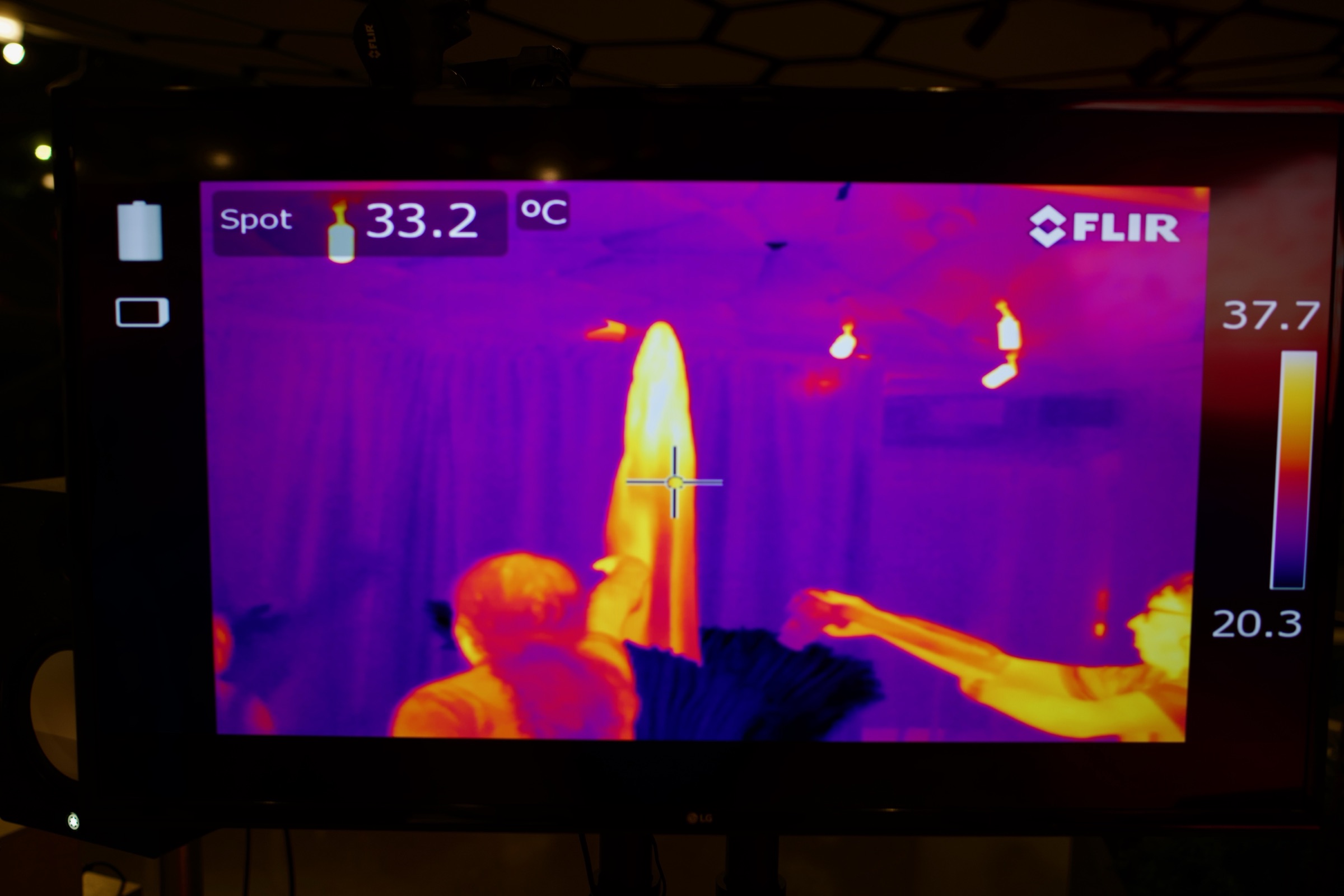 33.2°C
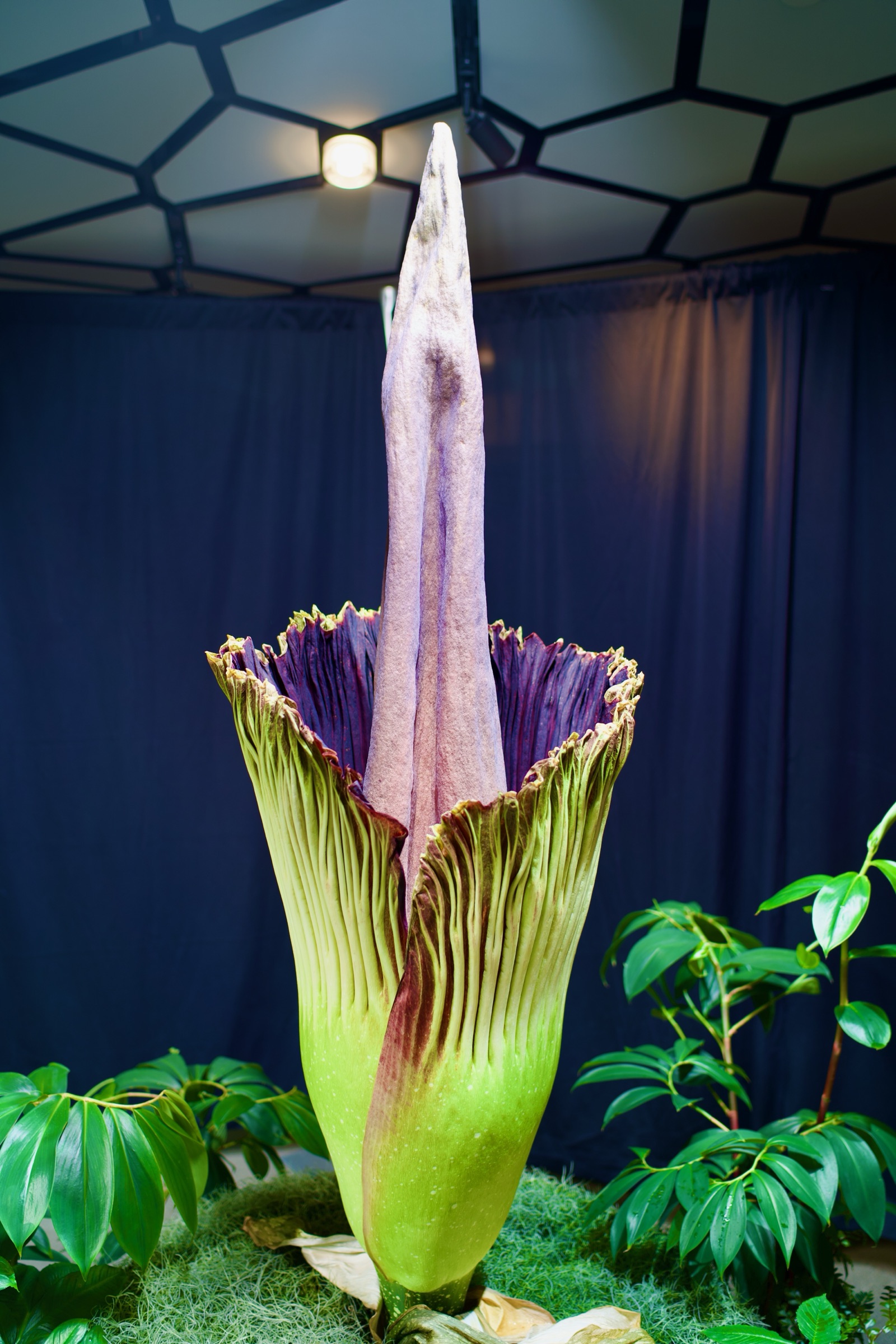
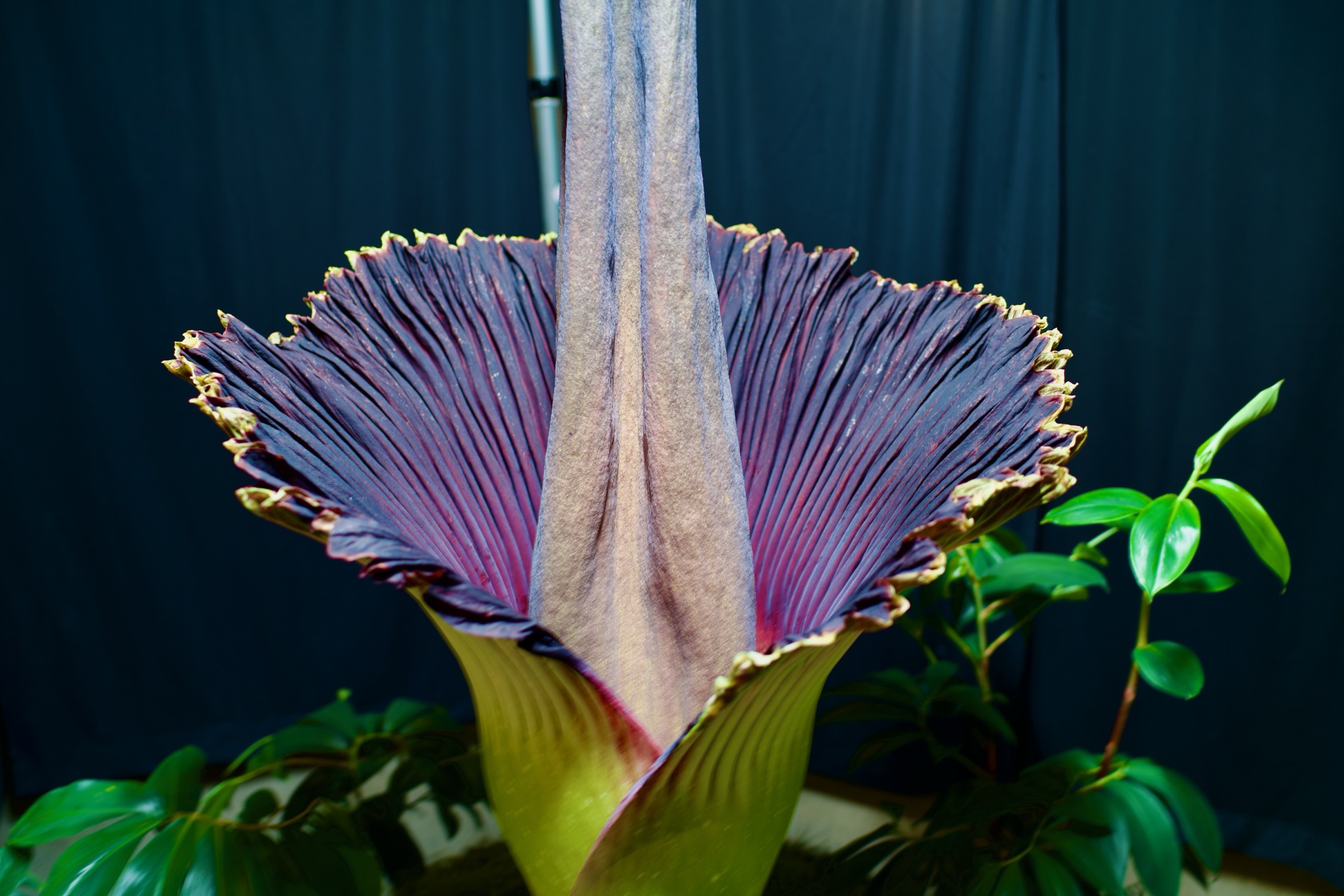
September 2025
A flower's bloom, played as music.
A real-time sonification of a corpse flower in bloom on an analog modular synthesizer, in A♭ major.
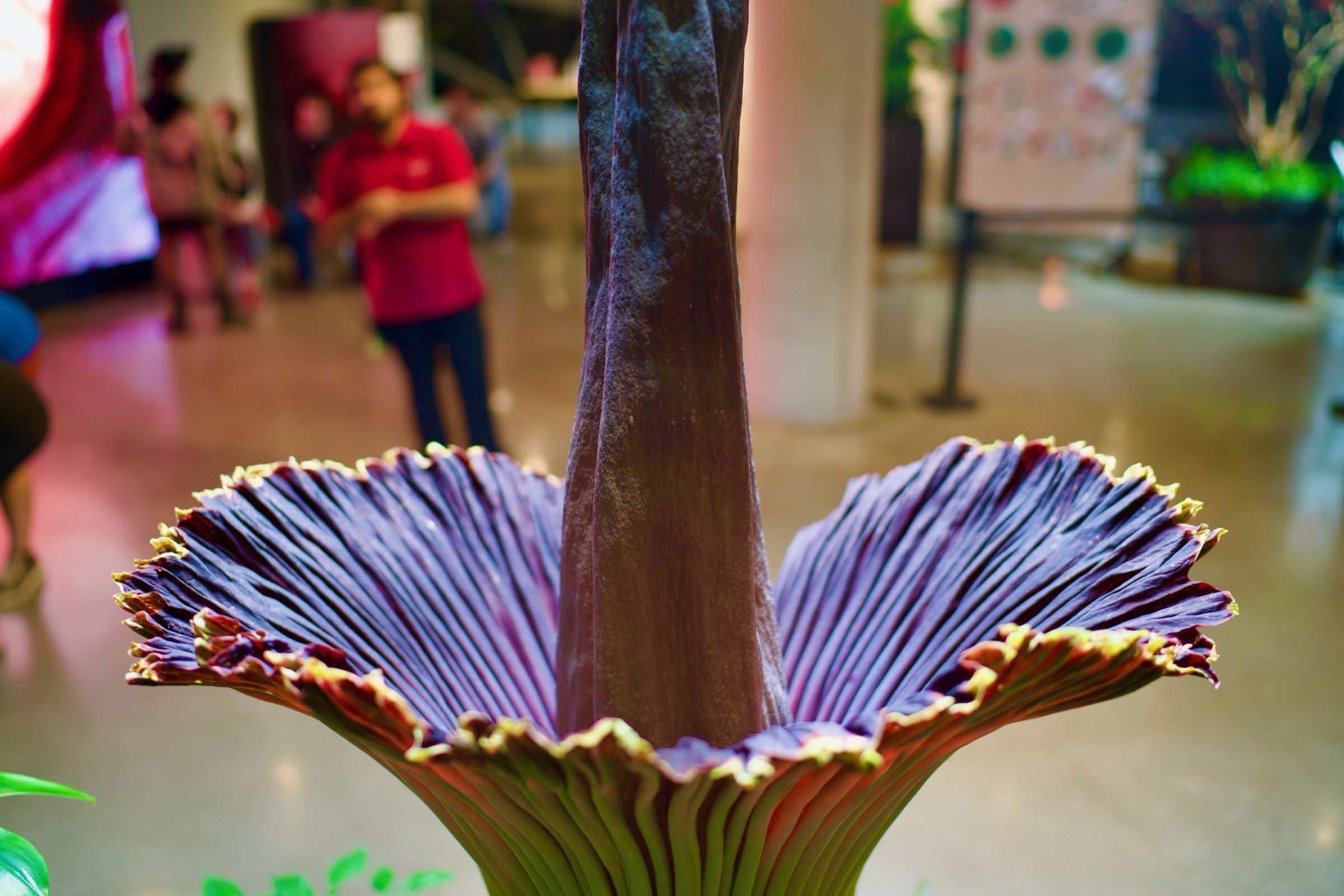
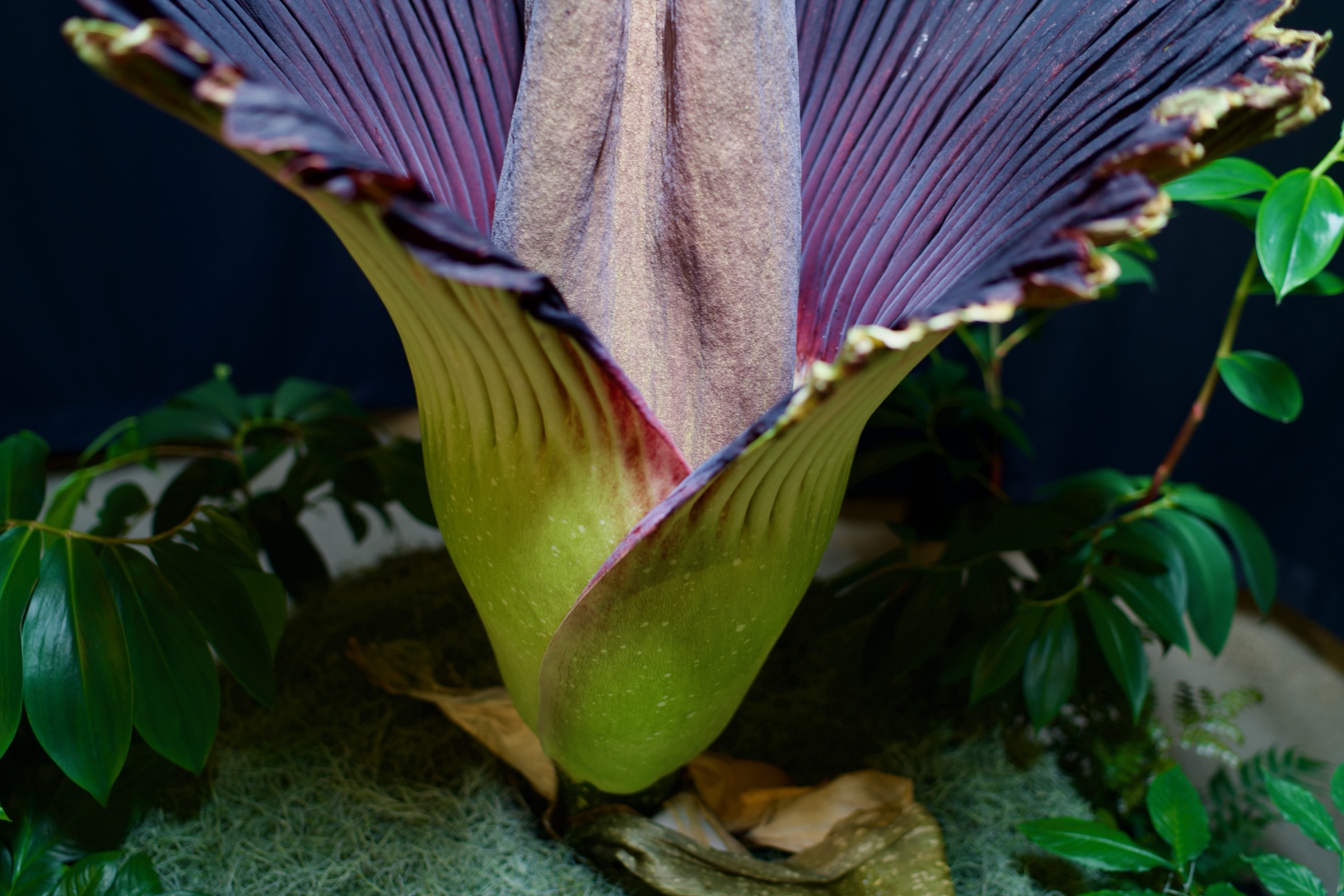
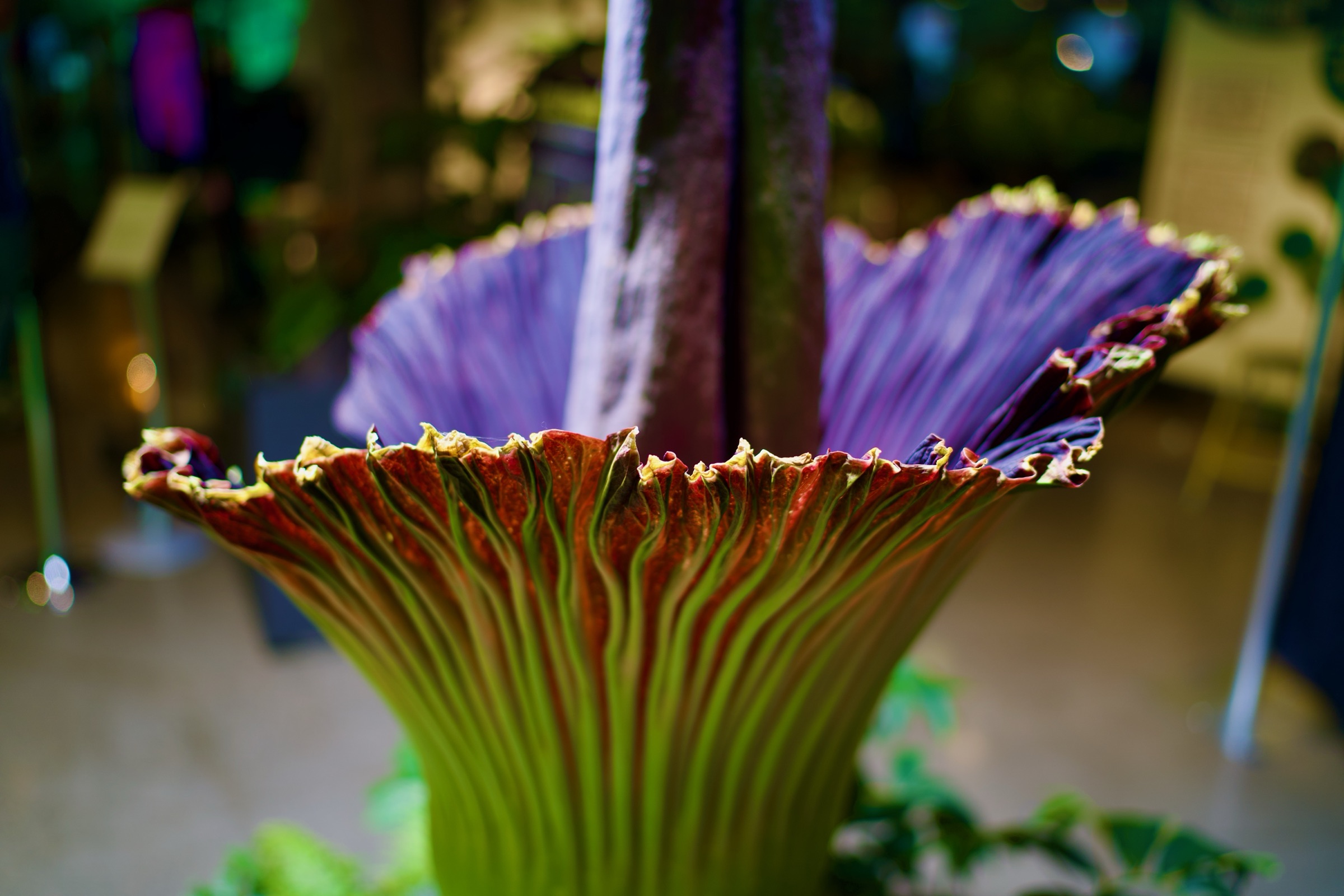
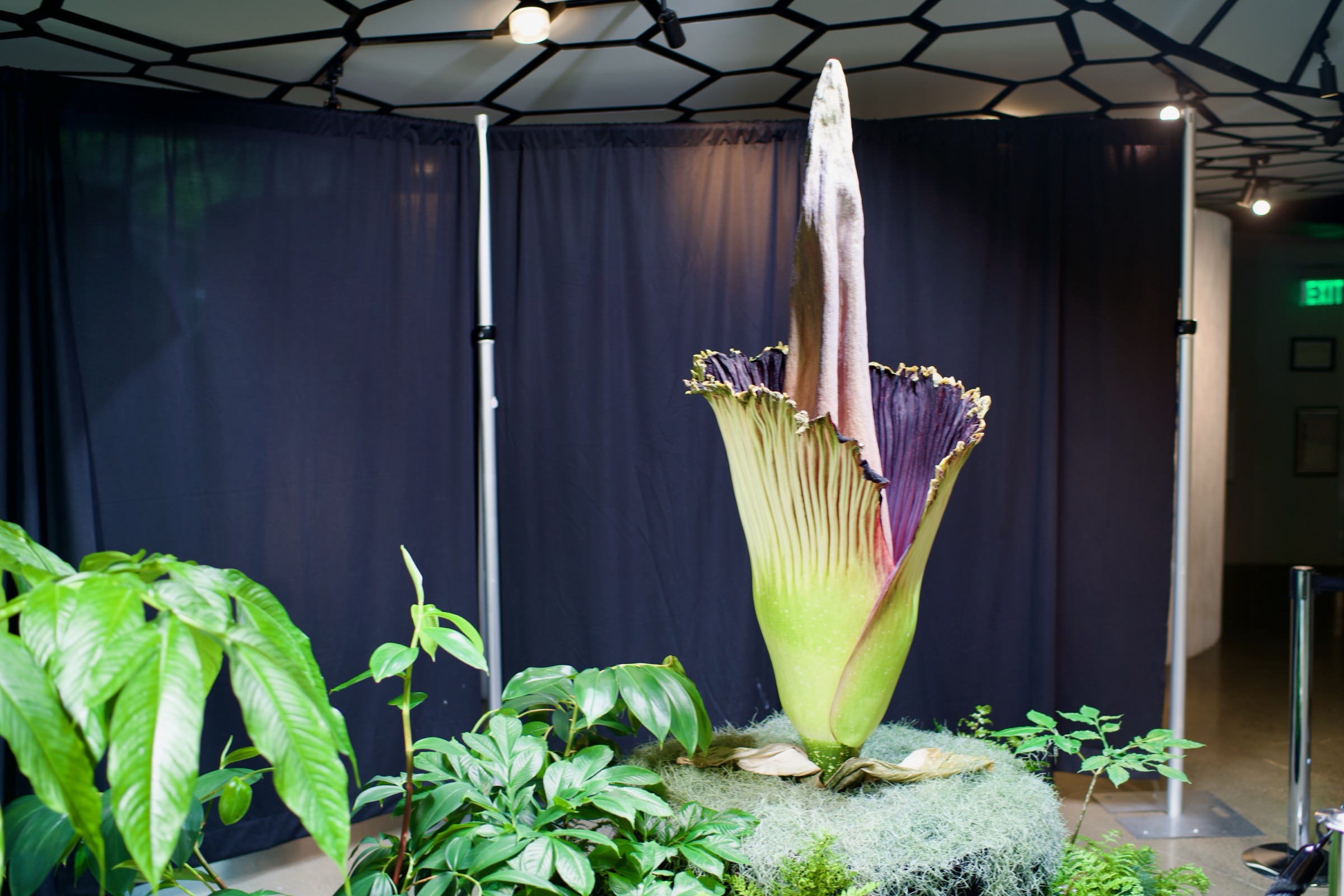
As the rare corpse flower (Amorphophallus titanum) blooms, Joshua Borsman's Morticia's Lullaby gives it voice. Sensors and analog synthesizers transform the flower's vital signals into a real-time soundscape. Notes of A minor — tenderness, F♯ major — triumph, and A♭ major — death and eternity, echo the bloom's brief cycle, drawing you into its delicate rebirth. Where art, tech, and nature converge, this piece invites you to hear the flower's eternal song and connect with its timeless wonder. From the installation poster
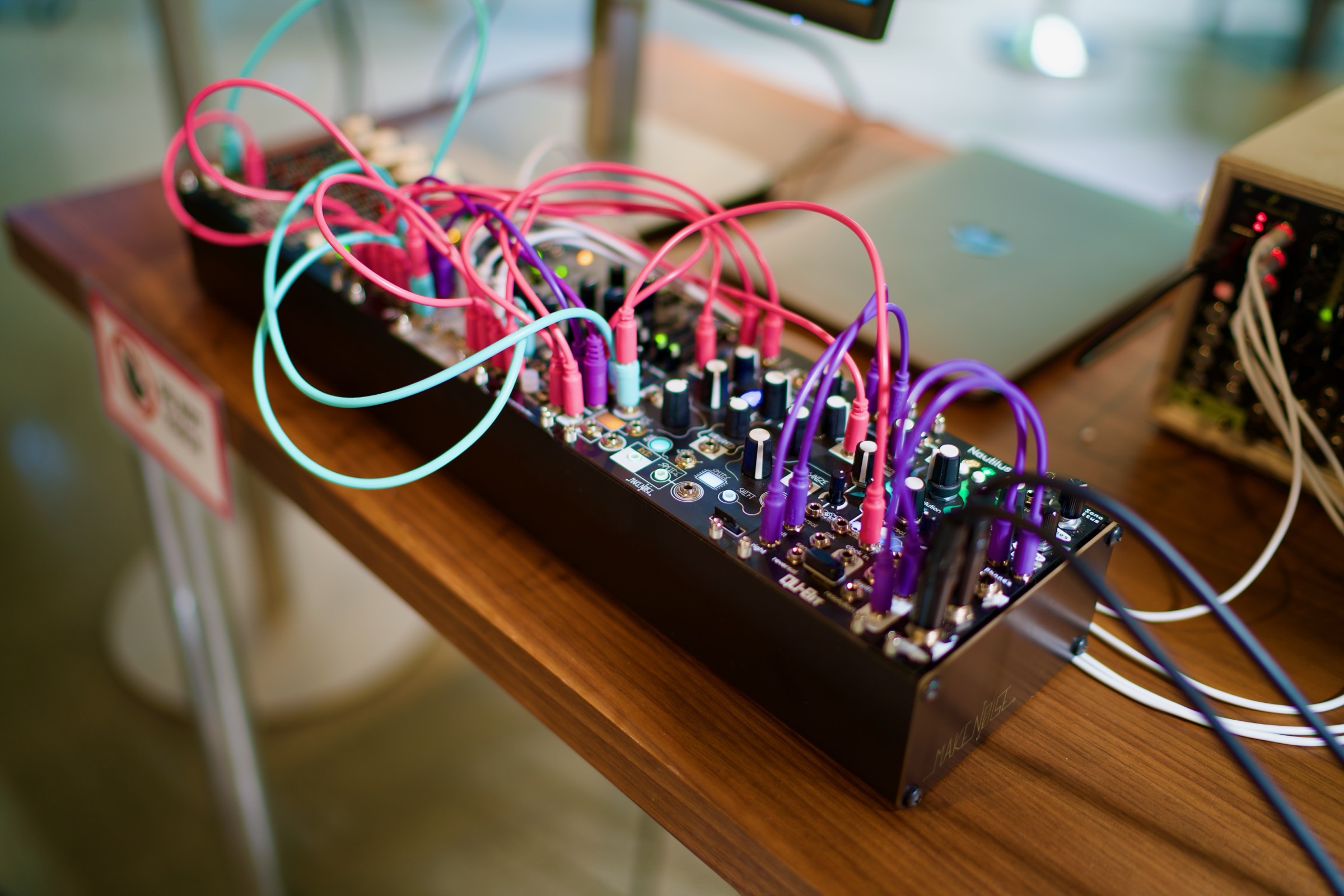
Four sensors tracked the flower's temperature and humidity through the bloom. Custom Python software turned those readings into control voltage and clock signals, fed straight into a Eurorack synthesizer. Nothing was sequenced or pre-recorded.
About 10,000 people came through The Spheres during the bloom. They could smell the flower, feel its heat, and hear what it was doing in real time.
Thanks to the Amazon Horticulture team for the invitation to make this for the bloom.
A work by Joshua Borsman
33.2°C
Four sensors around the plant logged its temperature and humidity throughout the bloom. A custom Python program (written from scratch for this piece by Joshua Borsman) translated the readings into control voltage — the analog signal that modular synths use as their input.
Those voltages drove the Eurorack live. Temperature set the MIDI clock — tempo followed temperature, which is why these five recordings sit at 64, 65, and 66 BPM, each captured at a slightly different thermal reading. Humidity and the differential between the four sensors moved through the rest of the rig: filter, pitch, timbre. When the flower was quiet, so was the music.
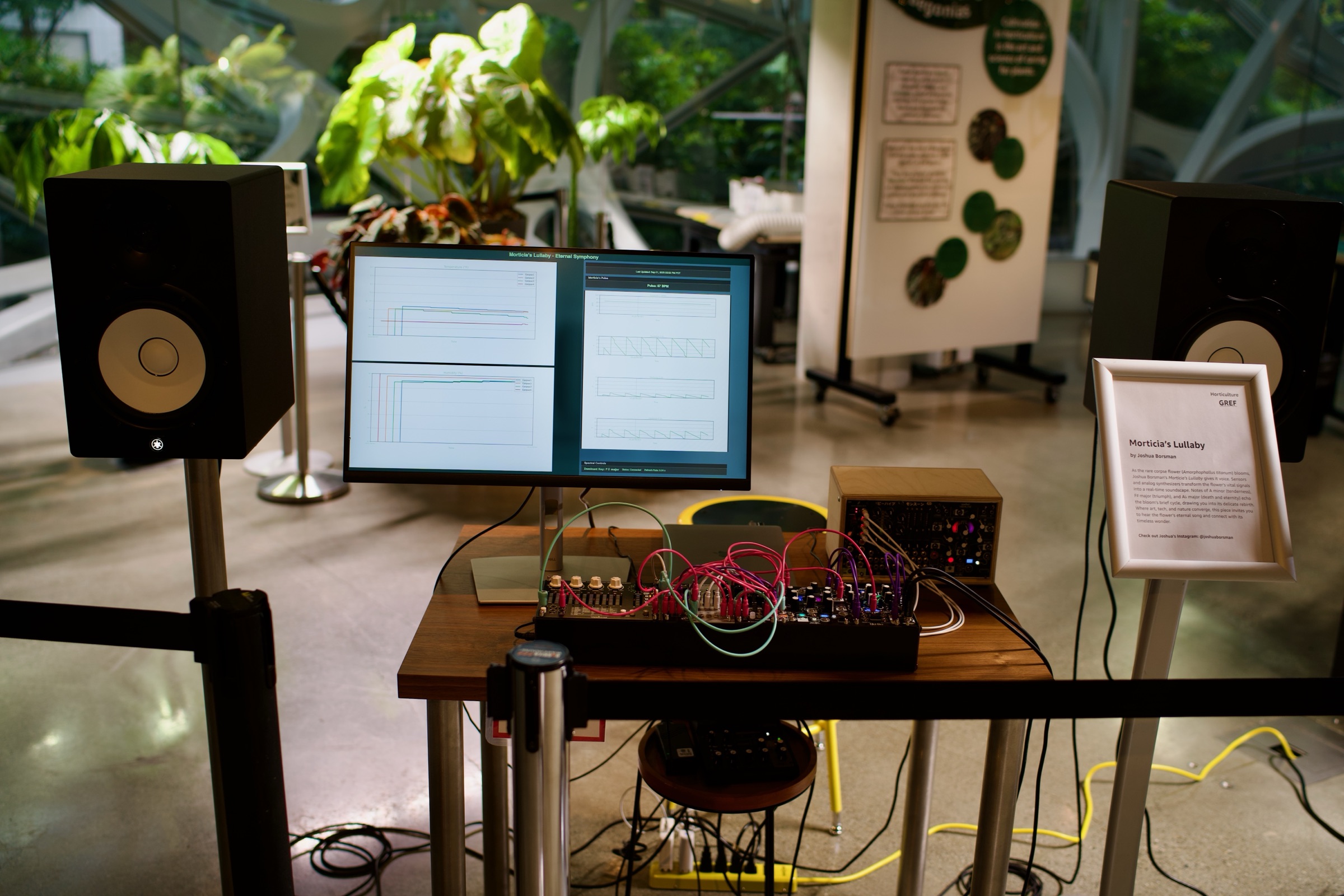
Headphones, or speakers capable of low frequencies. Each track unfolds slowly — give it room.
These are recordings of the actual live performance. No edits, no overdubs. The sound was generated in real time from the flower's temperature and humidity readings during the bloom, played out through the modular rig in the gallery.
All five tracks are from the A♭ major section — the key meant to represent death and eternity — played at peak bloom. The tempo shifts (64, 65, 66 BPM) come from the flower itself: its temperature drove the MIDI clock.